
Holy Refusal
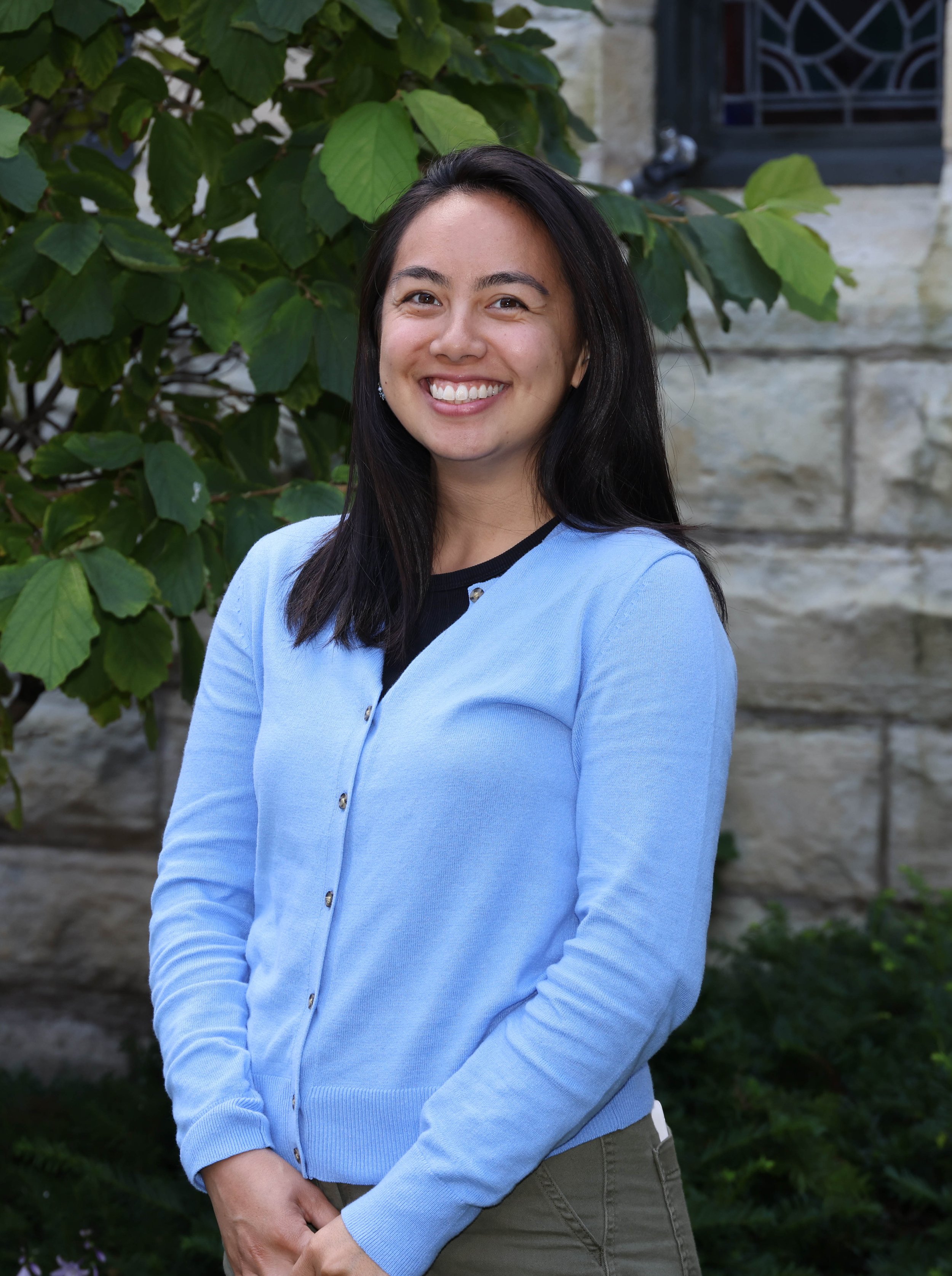
Rev. Alexa Dava
“Let’s practice something together. Have your neighbor ask you a question, and I want you to respond by putting your hand up and saying a firm ‘no.’ Then switch roles.” A chorus of giggles rose from the group of 150ish middle schoolers and chaperones as we turned to each other and followed Rev. Michael’s instructions. “No!”
On the Friday night of MLK Jr. weekend, ten LaSallers (seven middle school students, three chaperones) caravanned through the snow to Camp Friedenswald in Cassopolis, Michigan. We were bound for a weekend of retreat, community, and spiritual formation around the topic “A Dangerous Faith.”
Camp Friedenswald was founded by the Mennonite Church USA (MC USA) but welcomes any church willing to abide by their camp covenant. I chose the camp because even though LaSalle is denominationally independent, we share the MC USA’s theological commitments to God’s justice and generous community. Plus, they have sledding.
In the first worship session of the weekend, the camp speaker, Rev. Michael Crosby, a Mennonite preacher from Champaign, preached about refusal. He shared about the Hebrew midwives who said “no” to Pharaoh’s genocidal mandate to kill any newborn Hebrew sons. Mid-sermon, he invited the campers and chaperones to practice holy refusal for ourselves, telling us to put our hand up in a “stop” gesture and say “no” to a question from our neighbor.
As an Asian American woman, I am not socialized to feel empowered saying “no,” especially when it comes to authority figures. Saying “no” can lead to shame, isolation, even death. But as a pastor, the practice of saying “no” to authority is essential. When authorities rely on fear to normalize harm against God’s beloved, saying “no” is part of what it means to follow Jesus.
In our group’s post-worship discussion, over hot cocoa (which the camp kept in endless supply), we asked the students, “Are there things happening in the world today, and in your life, that are unjust and you want to say “no” to? What are they?” Almost immediately, the students began sharing about how their schools took extra precautions against the increased ICE presence in Chicago last fall. Extra-curricular activities were cancelled, many students’ schools allowed them to stay inside after school hours if ICE was spotted nearby. One student noted how parent volunteers stepped up to ensure kids got to and from home safely.
Our students are coming-of-age in a hyper-militarized context. Saying “no” is crucial for them, too. As I listened to the chorus of “no’s” echo through the camp gym, I thought about how growing up, I always heard that following Jesus meant saying “yes” to His call to share good news with others. I didn’t hear much about the ways Jesus said “no” until college at the earliest. To that end, it was moving and hopeful to witness these 6th-8th graders practice something so seemingly simple.
I grew up in the Twin Cities. One of my childhood friends lives a few streets down from where they detained 5-year-old Liam Ramos. It has been a heavy January. As Christian nationalism continues to emerge in fascist form, retreats like Winter Camp are sites for students to practice saying “no” to harm and injustice and “yes” to deeper belonging, connection, and change. I’m so glad our students and chaperones said “yes” to sharing their lives with each other and with me for a weekend. As Gwen, the camp director, said to me as we were saying goodbye, us Christians committed to social justice need to stick together.